

As the Council of Delegates (CoD) continues its work representing AOSSM members across the country, its greatest strength remains the perspectives and engagement of the physicians it serves. From raising emerging issues in sports medicine practice to sharing ideas that help shape Society initiatives, the CoD ensures that the voices of members practicing in diverse settings are heard. With the upcoming delegate election cycle, this connection between members and leadership is especially important.
The CoD serves as the primary forum for the exchange of information and ideas between the AOSSM Membership at the ‘grassroots’ level and the Society’s Board of Directors and affiliated Committees. Think of the CoD as the communication conduit between the AOSSM Leadership and its 4,660 member base.
In practical terms, delegates serve as both ambassadors and advocates for members in their states. They disseminate key information related to board initiatives, administrative updates, legislative briefings, and research or funding opportunities. At the same time, they bring forward feedback from colleagues regarding emerging challenges and opportunities, ranging from innovations in surgical education and technology-driven learning to mentorship needs, financial literacy and practice development.
In addition to facilitating communication, the CoD frequently supports initiatives that address issues affecting sports medicine at the state and local levels. For example, several delegates recently collaborated on a nationwide survey of state high school athletic associations examining variations in sideline emergency coverage policies for athletic events, with the findings published in the Orthopaedic Journal of Sports Medicine.1 Projects like this highlight how the CoD translates member concerns into research and advocacy.
Delegates also help strengthen the Society’s community by welcoming and mentoring new members as they transition from training into practice. Delegate members also provide useful feedback from their in-state constituents to the AOSSM Board of Directors and administrative staff regarding such topics as potential innovative tech-driven, personalized surgical learning, challenges in obtaining the Subspecialty Certificate in Orthopaedic Sports Medicine, mentorship opportunities, financial literacy, and practice development. The CoD is also responsible for nominating candidates for the prestigious Thomas A. Brady Community Service Award, recognizing physicians who have made a meaningful impact advancing sports medicine care within their communities.
Representation within the CoD reflects the geographic diversity of the Society. Delegates are elected by members in their respective states and serve three-year terms, with representation based on the number of Active and Candidate members practicing in each state. The CoD also includes delegates representing US military installations and Canadian members and is organized into four geographic regions: East, Midwest, Northeast, and Southwest.
Delegate members serve three consecutive years once elected by a vote of their state’s membership conducted each spring. Delegates may serve a second consecutive three-year term after their first term, if elected. The CoD is led by a chair and vice-chair who also serve three consecutive years in each of these roles. The vice-chair serves an additional three years if elected to the chair position. An Executive Committee, comprised of the chair, vice-chair, and four regional representatives, functions as the governing body within the CoD to set the agenda for each meeting, decide on potential research initiatives, appoint new delegates to replace those who leave their states, and finalize the winner of the Thomas A. Brady Award.
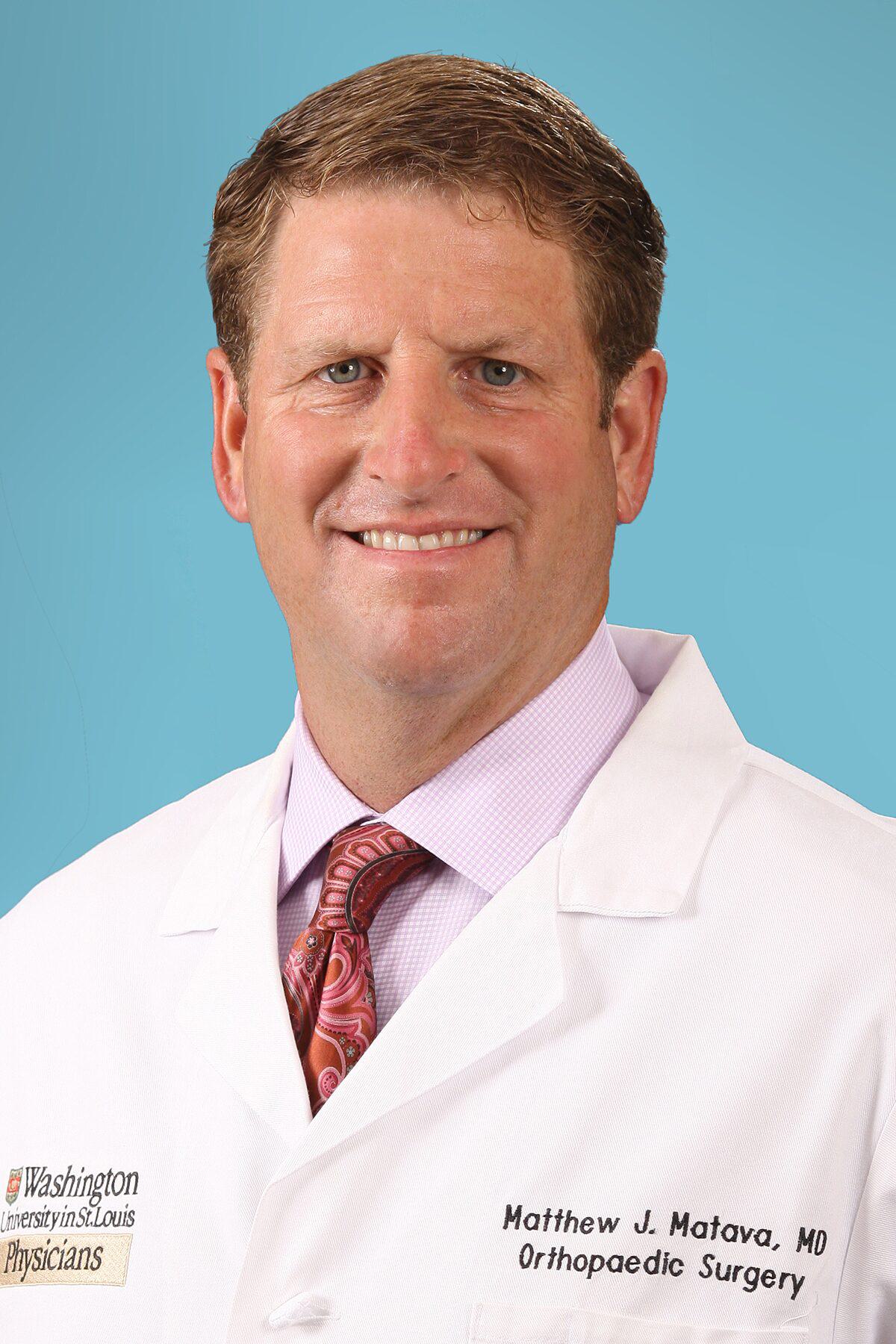
During the past 32 years of practice in an academic setting, I have had the privilege of serving several terms on the CoD as a Missouri delegate, and I will conclude my tenure as CoD Chair later this summer at the Annual Meeting. One of the most rewarding aspects of this role has been meeting and connecting with new members from the “Show-Me State” as they begin their careers or relocate their practices. Their enthusiasm and fresh perspectives continually inspire me as a more senior colleague to encourage them to take full advantage of the Society’s many opportunities for professional growth, education, mentorship, research funding, and leadership development. The theme of inspiration has also been emphasized by AOSSM President Eric McCarty, MD, throughout his term and presidential messages in Sports Medicine Update.
During my time on the CoD, I have come to appreciate how many challenges are shared across the profession, regardless of where we practice. Issues such as the responsibilities of team physicians, medicolegal risk in the era of name, image, and likeness (NIL) legislation, the nationwide shortage of certified athletic trainers, increasing administrative burdens, and uncertain reimbursement policies affecting many of us. Through the CoD, I have benefitted from the experience and insights of colleagues across the country who have faced these challenges and shared what strategies have and have not worked in their own practices. This exchange of knowledge is one of the CoD’s greatest strengths, allowing members to learn from one another while ensuring that emerging issues are brought to the attention of Society.
I hope this reflection encourages you to consider serving as a state delegate. Whether you are early in your career, mid-career, or a more senior member, the experience is both meaningful and rewarding. The time commitment is modest, but the opportunity to build lasting relationships with colleagues in your state, gain insight into challenges facing sports medicine nationwide, and engage more deeply with the Society’s leadership and initiatives is invaluable.
Reference
- Allen M, Athiviraham A, Nwaudo D, Farrow LD; AOSSM BOLD Study Group; Matava M. Variation in State Policies on Sideline Medical Coverage of High School Athletic Events. Orthop J Sports Med. 2025;13(11):23259671251394044.