

Introduction
Many of us have seen patients who have spent years winning races, dominating games, and ‘crushing’ workouts at the gym. Perhaps some were standout athletes at the high school, collegiate, and even professional levels—but now they are middle-aged or beyond and struggling to ‘stay in the game.’ Joints are stiff, tendons hurt, performance has dipped, and recovery takes longer than they would like. Sound familiar? It sure does to this senior author and ex-collegiate wrestler who’s about to turn 55…
Welcome to the world of the aging athlete, where wisdom and determination are stronger than ever, but biology starts to push back. The good news? They are not powerless. Science is on their side, offering proven strategies to help adapt better, recover smarter, and keep performance at a high level for years to come.
This review explores what really happens to the body with age—and how to fight back. We’ll break down the key strategies that help aging athletes stay in the game, from preventing joint pain, bone loss, and sarcopenia to leveraging the power of smart nutrition, supplementation, and hormone therapy. We’ll also dive into cutting-edge treatments like intra-articular injections, regenerative therapies such as stem cells and platelet-rich plasma, and the latest minimally invasive surgeries that are helping athletes recover faster and stay active longer. Plus, we’ll explore sports that support lifelong movement. Finally, we’ll reveal what several legendary sports icons can teach us about aging with power and purpose.
Have we discovered the “Fountain of Youth?” Not yet, but your patients can still chase it.
With science and strategy, perhaps they can gain an edge on aging and move one step closer to being an ‘ageless athlete.’
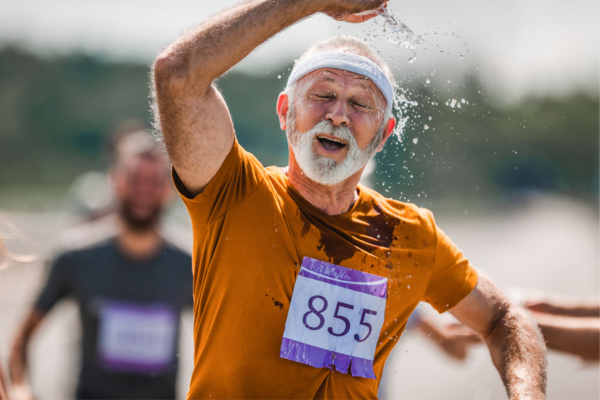
The Battle Plan: What Happens to Our Bodies as We Age
Our bodies undergo predictable changes with age: muscle mass declines (sarcopenia), aerobic capacity falls, flexibility decreases, and difficulty maintaining balance.2 Bones lose density, ligaments stiffen, and reflexes slow—accelerated even more in women due to menopause-related hormonal shifts.5 The upside? While certain changes come with the territory, they’re far from permanent. With thoughtful training, many of these shifts can be slowed down and even partially reversed in some cases.
Injury risk rises with age, especially in the lower body; knees, feet, and ankles account for nearly 75% of older athlete injuries.4 Falls are often the cause, made worse by slower reaction times and reduced balance.1 That’s why balance retraining—progressing from static to dynamic—isn’t just helpful, it’s crucial for injury prevention and smooth recovery.4 Add in practices like Tai Chi and strength work, and the results are better stability, fewer falls, and better performance.5
Cardiovascular changes such as lower max heart rate and less efficient oxygen delivery chip away at endurance with age.5 However, the heart is still impressively adaptable even into our seventies. Interval training, strength work, and endurance exercise can all improve performance and long-term health.1,6 For women, combining strength with intervals is especially effective.5
Tendons stiffen and cartilage thins with age, often causing joint pain and tendinopathy, especially in long-time athletes.5 Women may also face ligament laxity, which weakens joint stability.5 The upside? It’s manageable. Good biomechanics and targeted strengthening are essential, while braces, orthotics, or low-impact activities like swimming offer relief without overloading joints.2
Muscle loss, or sarcopenia, begins in your thirties and accelerates with age, leading to decreased strength, slower recovery, and reduced performance.2,3 But there is a way to fight back. Strength training, with the cautious use of eccentric and explosive movements, helps rebuild muscle, restore power, and protect against decline.3 Staying strong supports not only athletic performance but also overall health, improving recovery and outcomes when it matters most.6
Here's the real win: Staying active in later life not only preserves performance but also boosts quality of life. Exercise programs combining resistance and aerobic training have been shown to enhance physical and brain function in older adults.7 So, while aging is inevitable, slowing down isn’t. A smart mix of movement, strength, and mindfulness can keep your patients feeling sharp, strong, and vital for decades.
Non-Negotiables: Habits That Keep Aging Athletes in the Game
For aging athletes, consistency—not youth—is the real superpower. Regular, structured exercise can offset many physical declines tied to aging, with benefits often more pronounced in older adults than younger ones.4,11 Research shows that muscle atrophy and endurance loss often stem from inactivity rather than aging itself, suggesting that staying sedentary—not the number of candles on the birthday cake—is what really drives decline.9 The good news? Encouraging your patients to stay active with a thoughtful routine can slow, and in some cases even reverse, these effects.
That said, older athletes face unique challenges; careers, families, and life obligations can easily sideline training. Yet, motivation remains the most important factor in maintaining performance over time.1 Key habits include both endurance and strength training, with resistance training especially vital for women to combat bone loss and injury risk.5 Injury prevention programs that mix flexibility, balance, and strength, along with warm-ups and cool-downs, keep athletes moving pain-free. While cardio supports heart health, resistance training builds the strength and durability needed for long-term performance and independence.9 Simply put, consistency across training types is the best way to age strong.
Preventative Approaches: Start Before It Hurts
When it comes to aging well as an athlete, prevention is key. While years of physical activity can reduce the risk of chronic disease, maintaining that edge requires a strategic approach. Combining aerobic, resistance, and flexibility training offers the strongest defense against physical decline.2 Current guidelines recommend 150-300 minutes of moderate-intensity aerobic activity weekly, such as walking, swimming, or cycling, to support cardiovascular health and reduce the risk of fragility fractures.2 Yet, aerobic training alone isn’t enough. The musculoskeletal system remains highly adaptable with age, and resistance training—especially at 70% to 85% of one-rep max two to three times per week—helps preserve bone density, combat sarcopenia, and maintain strength.2,10 Flexibility training, ideally twice a week, supports mobility, while short bursts of sprint work enhance power and reinforce bone health.
Structured exercise isn’t just helpful; it’s essential. It can delay or even prevent the loss of lean muscle, coordination, and strength that often comes with aging, especially in sedentary individuals.3 Since inactivity speeds up decline,9 the goal shouldn’t be to treat problems after they show up, but to prevent them in the first place. A consistent, well-rounded routine helps protect against injury while preserving vitality, performance, and the lifelong joy of movement.
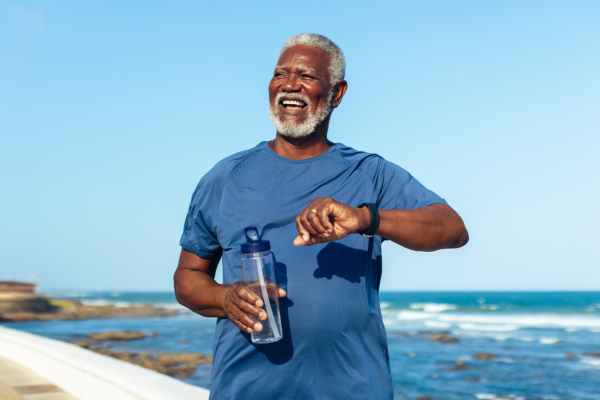
Fueling the Aging Athlete: Diet, Supplements, and Smart Choices
As athletes age, their nutritional needs shift to support muscle mass, bone density, and overall health.4,5 Protein becomes especially important, with older adults requiring over 1.2 grams per kilogram of body weight daily to maintain lean mass and promote muscle synthesis, ideally spaced evenly across meals and prioritized after workouts and before bed.2,16 Peptides, known as the building blocks of protein, are one of the trending supplements that many aging athletes are leaning on to prevent muscle loss.
Some may benefit from supplements such as creatine monohydrate, which has been shown to enhance strength and exercise capacity when paired with resistance training.16 Supplements such as Turmeric, which is commonly used as a natural anti-inflammatory, and Glucosamine Chondroitin, which is taken to promote cartilage health, are other adjuncts that may benefit aging athletes.
Key micronutrients—particularly vitamin D, calcium, and B vitamins—are essential for aging athletes. Women in particular should prioritize calcium and vitamin D intake to reduce bone loss and fracture risk.4,14 Even modest boosts in vitamin D levels are associated with better mobility and function.13 Diets rich in whole foods, especially fruits, vegetables, and dairy, support bone health, while excessive alcohol and nutrient-poor eating patterns can hinder it.14
Hydration also becomes more challenging with age due to reduced thirst and sweat response, increasing the risk of fluid imbalances and heat-related illness. Tracking body weight before and after exercise can help optimize hydration.4 Ultimately, a food-first strategy centered on nutrient-dense meals, proper protein distribution, micronutrient sufficiency, and tailored hydration lays the groundwork for sustained performance and long-term health.
Special Considerations: Arthritis and Bone Health
As athletes age, the physical demands of sport can collide with the realities of bone and joint decline. Two major concerns are the loss of bone density and cartilage deterioration, which lead to osteoporosis and osteoarthritis.14,15 Postmenopausal women face a higher risk, losing up to 3% to 5% of bone mass annually and experiencing osteoporosis at significantly higher rates than men.2 Often progressing silently, osteoporosis accounts for 70% of fractures in those over 65.14 Screening for osteoporosis in high-risk groups is vital, allowing early interventions that reduce fracture risk and maintain mobility.13 Fortunately, regular weight-bearing and resistance training can slow or reverse bone loss if paired with proper recovery and nutrition, particularly for amenorrheic female athletes at risk of low bone mineral density.5
Knee osteoarthritis is the most common musculoskeletal issue in aging athletes. While repetitive, high-impact movements such as squatting or kneeling can worsen cartilage damage, movements including long-distance running do not appear to accelerate osteoarthritis and may even protect against disability.15 Women face greater risk due to estrogen loss, higher body weight, and joint biomechanics.5 Targeted strength training, especially of the quadriceps, helps protect joints, while flexibility work supports mobility and reduces stiffness.15 For those with osteoarthritis, individualized care, including physical therapy and related modalities, anti-inflammatories, adjuvants like unloader braces, and weight management, can greatly improve function and extend athletic longevity.5 Ultimately, prevention is the best strategy.
Intra-articular injections have become a popular sideline strategy, especially for those battling knee or hip osteoarthritis. Corticosteroids (CSs) and hyaluronic acid (HA) are two commonly used options, and while neither is a silver bullet, each has its strengths. CSs deliver fast pain relief, often within a week, making them a go-to for flare-ups or nights when joint pain won’t quit. The downside? Their effects tend to fade within a couple of months, and repeated use raises concerns about long-term cartilage health.30 On the flip side, HA may take a few weeks to kick in, but its benefits may last much longer—sometimes up to 12 months—with fewer safety concerns, especially in mild to moderate cases.28,29 While some studies debate its efficacy, others show that repeated HA injections or even combination therapy with corticosteroids can yield the best of both worlds: fast relief with a more sustained benefit.30 Still, it’s important to inform patients that these injections don’t fix the underlying joint damage; they simply manage symptoms and buy time, helping them delay the need for joint replacement or surgical intervention.
The Rise of Stem Cells and Platelet-Rich Plasma
Stem cells and platelet-rich plasma (PRP) have entered the scene over the past decade as additional options to help aging athletes deal with arthritis and tendinitis, as well as recover from certain muscle, tendon, and ligament tears. While science is still catching up to the hype, these treatments aim to patch the wear and tear that comes with decades of competition.
Stem cells can be harvested from bone marrow or fat tissue (iliac crest or abdominal area respectively), and both have shown promise. When injected into degenerative or injured areas, the hope is that they will help regenerate damaged cartilage, tendons, or muscle. In cases of knee osteoarthritis and chronic patellar tendinopathy, stem cell injections have been reported to provide improvements in pain and function; however, their overall effectiveness remains controversial in the literature.39,40 Not all studies have been glowing; in partial rotator cuff tears, stem cell treatments did not perform better than placebo in terms of pain relief or healing.41 While stem cells show potential, they are not yet a guaranteed solution. Additionally, the cost of the procedure is often several thousand dollars, and it is not normally covered by insurance.
Platelet-rich plasma (PRP) therapy, on the other hand, can be initiated with a simple blood draw. It uses a concentrated dose of a patient’s own platelets to try to speed healing and tamp down inflammation. This can be done in the office in a relatively cost-effective way and takes about 45 minutes to draw the blood, spin it down in the centrifuge, and inject back into the patient. Sounds awesome, right? The reality is a bit more mixed. PRP hasn't consistently outperformed placebo in treating osteoarthritis in joints like the knee and ankle, and it often falls short when compared to simply exercising and staying strong.32,33 However, PRP has shown some bright spots: For partial rotator cuff tears and tendinopathies like tennis elbow, short-term pain relief and function improved with PRP compared to corticosteroid injections.34,35,38 Still, these benefits tend to fade over time, and in resistant cases like Achilles tendinopathy or chronic knee issues, PRP hasn’t reliably outshined traditional treatments like dry needling or exercise.36,37 While less expensive than stem cell therapy, PRP is not covered by insurance, and will set the patient back anywhere from upwards of $700.
Importantly, stem cells and PRP seem to be able to help aging athletes recoup, recover, and stay active longer in many circumstances, but the preponderance of literature indicates that stem cell and PRP therapies mainly treat symptoms, not the root cause.32-41 To date, they remain a tool in the ‘armamentarium,’ but not the ultimate cure.
Testosterone and Human Growth Hormones: Promise or Pitfall?
As athletes age, the temptation to reclaim lost performance with hormone therapy can be strong. We have all seen the commercials on TV, on the web, or in magazines with white-haired guys in their late 60’s who have a “seasoned” face that doesn’t quite match their buff, are toned, are almost always tanned, and have young-appearing body. Testosterone and human growth hormones (HGH) are often promoted as miracle solutions, but this promise is dangerously misleading. These substances are increasingly abused by healthy adults, despite no Food and Drug Administration (FDA) approval for age-related decline and mounting concerns about long-term harm.22 For aging athletes, these hormones can improve physical appearance but offer more risk than reward.
Although testosterone levels naturally decline with age, treatment in men without a true medical deficiency (commonly known as “Low-T”) is not recommended and can be harmful.17,18 While it may temporarily improve muscle mass or mood, it comes with serious downsides, especially for our aging athletes: blood thickening and risk of blood clots, increased cholesterol levels, potential prostate complications, and tendon ruptures, to name a few.18 The long-term cardiovascular and cancer risks are still unknown, and the FDA has issued warnings against its misuse.19 Despite the hype, testosterone offers no guaranteed boost to athletic longevity and could jeopardize long-term health.
Like testosterone, HGH levels drop with age, but using it to stay fit or competitive is a gamble. While it may increase lean mass, it does not reliably improve strength or physical performance in healthy adults.22 Side effects can include joint pain, swelling, carpal tunnel, insulin resistance, and potentially life-threatening conditions like acromegaly and heart disease.20,22 Abuse is widespread in the ‘sports and gym culture’ and is often paired with steroids, multiplying the risks.22 For the aging athlete, HGH is more likely to cause harm than enhance performance.
Pursuing testosterone or HGH without a clear medical need is not just ineffective; it could be dangerous. These hormones may hold the promise of quick gains and improved appearance, but they carry heavy costs with no guarantee of improved athletic function in this aging population.22
For aging athletes who value longevity and well-being—to look healthy on the outside and be healthy on the inside as I tell my patients—the real winning strategy lies in smart training, nutrition, and rest, not excessive hormone use.
Minimally Invasive, Maximally Impressive
Not every injury can be ‘foam-rolled away.’ When arthritis, tears, or degenerative conditions knock aging athletes out of the game, modern orthopedics offer smarter, faster, and less invasive solutions than ever before. Thanks to advances in arthroscopy and minimally invasive joint replacements, we’re no longer just treating injuries, but helping athletes bounce back stronger, sooner, and with less downtime.
Arthroscopic surgery has revolutionized joint care in the shoulder, knee, and hip, offering same-day procedures with less intraoperative soft tissue trauma, reduced postoperative pain, quicker recovery, and fewer complications compared to traditional open surgeries.44 It is now the standard of care for treating meniscus tears, anterior cruciate ligament injuries, and rotator cuff tears, and its use is being ever more commonly employed for hip, ankle, wrist, and even spine conditions.35,43,44,50 The importance of its use in an aging athletic population cannot be understated.
Meanwhile, robotically assisted knee replacements are raising the bar for patients with advanced arthritis, offering partial and total joint replacements with highly accurate, tissue-sparing techniques that result in better joint alignment, fewer complications, and faster recovery compared to conventional methods. They are also increasingly being done in an outpatient setting.45,46,48,49 The improved accuracy of these procedures, combined with improvements in materials, has resulted in the ability for patients with end-stage osteoarthritis to obtain replacements at a younger age, stay more active, and worry less about implant wear and need for revision.
From cameras, scopes, and robotic surgical arms to the evolving capabilities relating to artificial intelligence and virtual reality, today’s technology is only a prelude to our future capabilities in our quest to produce the ‘ageless athlete.’35, 44-48
Life Sports: Aging Gracefully Without Stopping
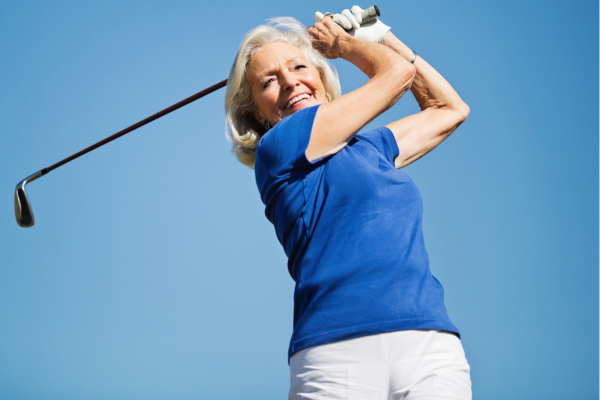
Common life sports include golf, tennis, softball, and of course, pickleball: America’s fastest growing sport. Swimming, cycling, skiing, rowing, dancing, yoga, tai chi, walking, bowling, table tennis, and other activities are amongst those that are also essential to an aging athlete’s prolonged vitality.
All these sports and activities that are especially beneficial for aging athletes have several factors in common: A decreased risk of injury compared to other sports and activities, cardiovascular and musculoskeletal advantages, and a lower impact on arthritic joints.
Now let’s talk a little bit more about two favorite activities for aging athletes:
Golf offers more than just a leisurely afternoon outdoors; it’s a unique combination of physical activity, cognitive challenge, and social connection. The game engages visual-motor skills and executive function, offering mental stimulation alongside movement.23,24 Studies show it can boost overall weekly activity by about 26% and enhance memory and cognitive performance, making it an appealing option for aging athletes seeking both physical fitness and mental sharpness.25
Pickleball, the rising star of aging-friendly sports, offers major benefits, from sharper cognition and social connection to improved agility, coordination, balance, and heart health. But for older athletes, it’s not without its risks. Common injuries include musculoskeletal issues like sprains and strains in the wrists, knees, and ankles, often stemming from poor preparation or compromised balance. However, many of these risks can be reduced with proper technique, lighter paddles, and a solid warm-up routine.26,27
Whether it be golf, pickleball, or one of the other activities listed above, all offer different and unique ways to maintain your patient’s advantage. The key is choosing the activity that is consistent and easy on the aging body. Whether walking the fairway, rallying at the net, or throwing a strike, movement and enjoyment is the true win for aging athletes.
Lessons from the Legends: Tom Brady and Beyond
Staying at the top isn’t just about strength or skill; it’s about mindset, adaptability, and relentless self-belief. As Tom Brady said, “It’s not about proving it to others what you can do, it’s more about proving it to yourself.”51 That’s the kind of inner drive that keeps your patients pushing, long after the spotlight fades. Brady defied the National Football League aging curve by transforming his body, training smarter, and developing the now-famous TB12 Method. His regimen prioritizes pliability work over traditional weightlifting, using resistance bands, muscle lengthening, hydration, and sleep as recovery weapons, not afterthoughts. His diet is notoriously clean: 80% plant-based, organic, and anti-inflammatory, with strict hydration and electrolyte strategies incorporated throughout the day.53-55 At 45, he wasn’t just playing; he was still winning.
Serena Williams redefined female athletic longevity, balancing motherhood, injury comebacks, and championship wins well into her late 30s. Her toolkit included high-performance training, emotional resilience, and a strong support network. She openly advocates for self-awareness, mental health, and self-improvement as pillars of greatness, on and off the court. “A champion is defined by how they recover when they fall,” she once said, words she lived by through every hard-fought match.63,64
Known as “Mr. Hockey,” Gordie Howe wasn’t just tough; he was timeless. Playing professional hockey into his 50s, Howe credited his longevity to consistency, work ethic, and an unshakable sense of discipline. He avoided major injuries through smart positioning and an aggressive-but-calculated style of play. His comeback in his fifties with the World Hockey Association’s Houston Aeros wasn’t just symbolic; it was competitive. He remained sharp through regular skating, a clean lifestyle, and a lifelong connection to the game’s rhythm and culture.56-58
The ultimate ironman pitcher, Nolan Ryan’s career spanned 27 Major League Baseball seasons. His secret? A revolutionary commitment to strength training, mobility work, and conditioning in an era when pitchers were told to avoid the weight room. Ryan was squatting and deadlifting before it was ‘accepted.’ He also embraced mental toughness and strategic thinking, recognizing that preparation was as important as raw talent. Even as fastballs slowed, he adapted by perfecting technique and focus.59-62
For these legends, success went way beyond the scoreboard—it was about showing up with purpose, evolving through every session, never settling, and using the best science and innovation of the time to optimize and prolong their careers.
Conclusion: Redefining the Finish Line
Aging may shift the playing field, but it doesn’t mean the game is over; it just calls for a smarter strategy.
Athletes can stay strong, sharp, and competitive by addressing the biological realities of aging head-on. From strength training and strategic nutrition to hormone therapy, regenerative treatments, and cutting-edge minimally invasive surgeries, science is expanding the playbook.
Aging athletes aren’t just chasing podiums anymore; they’re redefining what it means to grow older with purpose and vitality. There may be no single “Fountain of Youth” yet, but with science-backed habits, a love for movement, and perhaps some “good genes,” the race stays thrilling.
The next time you treat an ‘aging athlete,’ remember to share this advice: Age boldly but wisely, take advantage of the day’s scientific and medical innovations, and keep playing the long game.
References
- Menard D, Stanish WD. The aging athlete. Am J Sports Med. 1989;17(2):187-196. doi:10.1177/036354658901700208
- Catapano M, Ahmed M, Breslow RG, Borg-Stein J. The aging athlete. PM&R. 2022. doi:10.1002/pmrj.12814
- Faulkner JA, Davis CS, Mendias CL, Brooks SV. The aging of elite male athletes: age-related changes in performance and skeletal muscle structure and function. J Appl Physiol. 2008;105(2):637-642. doi:10.1152/japplphysiol.90556.2008
- Brun SP. Clinical considerations for the ageing athlete. Aust Fam Physician. 2016;45(7):497-501.
- Vuletic F, Boez B. Considerations in the aging female athlete. Oper Tech Sports Med. 2024;32(2):151091. doi:10.1016/j.otsm.2024.151091
- Gries KJ, Trappe SW. The aging athlete: paradigm of healthy aging. Int J Sports Med. 2022;43(7):661-678. doi:10.1055/a-1761-8481
- De la Rosa A, Olaso-Gonzalez G, Arc-Chagnaud C, et al. Physical exercise in the prevention and treatment of Alzheimer’s disease. J Sport Health Sci. 2020;9(5):394-404. doi:10.1016/j.jshs.2019.12.005
- Distefano G, Goodpaster BH. Effects of exercise and aging on skeletal muscle. Cold Spring Harb Perspect Med. 2018;8(3):a029785. doi:10.1101/cshperspect.a029785
- Harridge SDR, Lazarus NR. Physical activity, aging, and physiological function. Physiology (Bethesda). 2017;32(2):152-161. doi:10.1152/physiol.00029.2016
- Piasecki M, Ireland A, Piasecki J, et al. Regular strength and sprint training counteracts bone aging: a 10-year follow-up in male masters athletes. JBMR Plus. 2021;5(7):e10513. doi:10.1002/jbm4.10513
- Rudisill SS, Holcomb WR, Nguyen AD, et al. Muscle morphology and performance in master athletes: a systematic review and meta-analyses. Phys Ther Sport. 2018;32:183-194. doi:10.1016/j.ptsp.2018.04.007
- Sillanpää E, Cheng S, Laakkonen EK, et al. The role of resistance exercise training for improving cardiorespiratory fitness in healthy older adults: a systematic review and meta-analysis. Sports Med. 2022;52(6):1235-1247. doi:10.1007/s40279-021-01598-3
- Lane NE. What’s new in osteoporosis: emphasis on the aging athlete. Clin Orthop Relat Res. 2024;482(9):1947-1956. doi:10.1097/CORR.0000000000002677
- Hsu WK. Spinal care in the aging athlete. Clin Sports Med. 2021;40(3):541-551. doi:10.1016/j.csm.2021.03.003
- Lynch TS, Peebles A, Patel RM, Amin NH. Preserving knee health and delivering specialized care for active older athletes. Am J Sports Med. 2025;53(2):201-209. doi:10.1177/19417381251326527
- Oikawa SY, Brisbois TD, van Loon LJC, Rollo I. Eat like an athlete: insights of sports nutrition science to support active aging in healthy older adults. Eur Rev Aging Phys Act. 2021;18(1):18. doi:10.1007/s11556-021-00271-z
- Bhasin S, Brito JP, Cunningham GR, et al. Benefits and risks of testosterone treatment in men with age-related decline in testosterone. Annu Rev Med. 2021;72:75–91. doi:10.1146/annurev-med-050219-034711
- Basaria S, Traustadóttir T, Travison TG, et al. Testosterone replacement in aging men: an evidence-based patient-centric perspective. J Clin Invest. 2021;131(4):e146607. doi:10.1172/JCI146607
- Morden NE, Woloshin S, Brooks CG, Schwartz LM. Trends in testosterone prescribing for age-related hypogonadism in men with and without heart disease. JAMA Intern Med. 2018;179(3):446–448. doi:10.1001/jamainternmed.2018.6505
- Bartke A. Growth hormone and aging: updated review. World J Mens Health. 2018;37(1):19–30. doi:10.5534/wjmh.180018
- Nass R, Park J, Thorner MO. Growth hormone supplementation in the elderly. Endocrinol Metab Clin North Am. 2006;35(1):187–201. doi:10.1016/j.ecl.2006.08.004
- Siebert DM, Rao AL. The use and abuse of human growth hormone in sports. Sports Health. 2018;10(5):419–427. doi:10.1177/1941738118782688
- Wilson DA, Brown S, Muckelt PE, et al. Strength and balance in recreational golfers and non-golfers aged 65–79 years in community settings. J Aging Phys Act. 2017;25(4):661–667.
- Bliss RR, Church FC. Golf as a physical activity to potentially reduce the risk of falls in older adults with Parkinson’s disease. Sports (Basel). 2021;9(6):72. doi:10.3390/sports9060072
- Kanwar KD, Moore JL, Hawkes R, Salem GJ. Golf as a physical activity to improve walking speed and cognition in older adults: a non-randomized, pre-post, pilot study. Ment Health Phys Act. 2021;21:100410.
- Touhey DC, Bozorgmehr CK, Tartibi DS, Smith MV, Knapik DM. Pickleball injuries in the aging athlete: a critical analysis review. Cureus. 2024;16(3):e69950. doi:10.7759/cureus.69950
- Heo J, Ryu J. Maintaining active lifestyle through pickleball: a qualitative exploration of older pickleball players. J Leis Res. 2024. doi:10.1177/00914150231208012
- Bisicchia S, Tudisco C. Hyaluronic acid vs corticosteroids in symptomatic knee osteoarthritis: a mini-review of the literature. Clin Cases Miner Bone Metab. 2017;14(1):182-185. doi:10.11138/ccmbm/2017.14.1.182. PMID: 29263730; PMCID: PMC5726206.
- Tschopp M, Pfirrmann CWA, Fucentese SF, et al. A randomized trial of intra-articular injection therapy for knee osteoarthritis. Radiology. 2023;308(3):e220594. doi:10.1097/RLI.0000000000000942. PMID: 36728848; PMCID: PMC10090303.
- Vilabril F, Rocha-Melo J, Gonçalves JV, Vilaça-Costa J, Brito I. Hip osteoarthritis treatment with intra-articular injections: hyaluronic acid versus glucocorticoid—a systematic review. Acta Reumatol Port. 2020;45(1):65-71. PMID: 32895355.
- Rezasoltani Z, Azizi S, Najafi S, et al. Physical therapy, intra-articular dextrose prolotherapy, botulinum neurotoxin, and hyaluronic acid for knee osteoarthritis: randomized clinical trial. Am J Phys Med Rehabil. 2021;100(8):726-732. doi:10.1097/MRR.0000000000000411. PMID: 32776763.
- Paget LDA, Reurink G, de Vos RJ, et al. Platelet-rich plasma injections for the treatment of ankle osteoarthritis. Am J Sports Med. 2023;51(12):2977-2988. doi:10.1177/03635465231182438. PMID: 37417359; PMCID: PMC10394962.
- Karaborklu Argut S, Celik D, Ergin ON, Kilicoglu OI. Does the combination of platelet-rich plasma and supervised exercise yield better pain relief and enhanced function in knee osteoarthritis? A randomized controlled trial. Clin Orthop Relat Res. 2025; [Epub ahead of print]. doi:10.1097/CORR.0000000000002993. PMID: 38323999; PMCID: PMC11124657.
- Kwong CA, Woodmass JM, Gusnowski EM, et al. Platelet-rich plasma in patients with partial-thickness rotator cuff tears or tendinopathy leads to significantly improved short-term pain relief and function compared with corticosteroid injection: a double-blind randomized controlled trial. Arthroscopy. 2021;37(5):1452-1460. doi:10.1016/j.arthro.2020.10.037. PMID: 33127554.
- Schwitzguebel AJ, Bogoev M, Nikolov V, et al. Tennis elbow, study protocol for a randomized clinical trial: needling with and without platelet-rich plasma after failure of up-to-date rehabilitation. J Orthop Surg Res. 2020;15(1):452. doi:10.1186/s13018-020-01998-8. PMID: 33028383; PMCID: PMC7542691.
- Kearney RS, Ji C, Warwick J, et al. Effect of platelet-rich plasma injection vs sham injection on tendon dysfunction in patients with chronic midportion Achilles tendinopathy: a randomized clinical trial. JAMA. 2021;326(14):1375-1384. doi:10.1001/jama.2021.6986. PMID: 34255009; PMCID: PMC8278266.
- Herrero C, Wasterlain A, Bloom DA, et al. Leukocyte-poor platelet-rich plasma as a treatment for patellar tendinopathy: a multicenter, randomized controlled trial. Am J Sports Med. 2024; [Epub ahead of print]. PMID: 39259953.
- Dadgostar H, Fahimipour F, Pahlevan Sabagh A, et al. Corticosteroids or platelet-rich plasma injections for rotator cuff tendinopathy: a randomized clinical trial study. J Orthop Surg Res. 2021;16(1):308. doi:10.1186/s13018-021-02470-x. PMID: 34020672; PMCID: PMC8139041.
- Rodas G, Soler-Rich R, Rius-Tarruella J, et al. Effect of autologous expanded bone marrow mesenchymal stem cells or leukocyte-poor platelet-rich plasma in chronic patellar tendinopathy (with gap >3 mm): preliminary outcomes after 6 months of a double-blind, randomized, prospective study. Am J Sports Med. 2021;49(5):1339-1348. doi:10.1177/0363546521998725. PMID: 33783227.
- Lee WS, Kim HJ, Kim KI, et al. Intra-articular injection of autologous adipose tissue-derived mesenchymal stem cells for the treatment of knee osteoarthritis: a phase IIb, randomized, placebo-controlled clinical trial. Stem Cells Transl Med. 2019;8(6):504-511. doi:10.1002/sctm.18-0122. PMID: 30835956; PMCID: PMC6525553.
- Chun SW, Kim W, Lee SY, et al. A randomized controlled trial of stem cell injection for tendon tear. Sci Rep. 2022;12(1):158. doi:10.1038/s41598-021-04656-z. PMID: 35039529; PMCID: PMC8764049.
- MacDermid JC, Bryant D, Holtby R, et al. Arthroscopic versus mini-open rotator cuff repair: a randomized trial and meta-analysis. Am J Sports Med. 2021;49(13):3563-3573. doi:10.1177/03635465211038233. PMID: 34524031.
- Mardani-Kivi M, Keyhani S, Ebrahim-Zadeh MH, et al. Rotator cuff tear with concomitant long head of biceps tendon degeneration: what is the preferred choice? Open subpectoral versus arthroscopic intraarticular tenodesis. J Orthop Surg Res. 2019;14(1):223. doi:10.1186/s10195-019-0531-5. PMID: 31278446; PMCID: PMC6611854.
- Zhang Z, Gu B, Zhu W, et al. Arthroscopic versus mini-open rotator cuff repair: a prospective, randomized study with 24-month follow-up. Eur J Orthop Surg Traumatol. 2013;23(6):681-686. doi:10.1007/s00590-013-1263-5. PMID: 23812851.
- Zhang J, Ndou WS, Ng N, et al. Robotic-arm assisted total knee arthroplasty is associated with improved accuracy and patient reported outcomes: a systematic review and meta-analysis. Knee Surg Sports Traumatol Arthrosc. 2021;29(5):1434-1447. doi:10.1007/s00167-021-06464-4. PMID: 33547914; PMCID: PMC9309123.
- Alrajeb R, Zarti M, Shuia Z, et al. Robotic-assisted versus conventional total knee arthroplasty: a systematic review and meta-analysis of randomized controlled trials. Eur J Orthop Surg Traumatol. 2024;34(1):135-146. doi:10.1007/s00590-023-03798-2. PMID: 38133653; PMCID: PMC10980635.
- Aicale R, Maffulli N. Lower limb joint repair and replacement: an overview. F1000Res. 2019;8:F1000 Faculty Rev-134. doi:10.12688/f1000research.17200.1. PMID: 32025284; PMCID: PMC6971838.
- Howell CC, Witvoet S, Scholl L, et al. Postoperative complications and readmission rates in robotic-assisted versus manual total knee arthroplasty: large, propensity score-matched patient cohorts. J Am Acad Orthop Surg. 2025;33(2):83-91. doi:10.5435/JAAOS-D-23-01117. PMID: 39029449.
- Shapira J, Chen SL, Rosinsky PJ, et al. Outcomes of outpatient total hip arthroplasty: a systematic review. Hip Int. 2020;30(5):563-572. doi:10.1177/1120700020911639. PMID: 32157903.
- Dung TT, Du HG, Long NH, et al. Arthroscopic fixation of ACL avulsion fracture in the Saint Paul Hospital: a review of treatment outcomes. Eur J Orthop Surg Traumatol. 2019;29(8):1801-1806. doi:10.1007/s00590-019-02466-8. PMID: 31236684.
- Brady T. Interview with Good Morning America. NFL.com. August 2022. Accessed April 20, 2025. https://www.nfl.com/news/tom-brady-motivation-at-this-stage-is-more-about-proving-it-to-yourself
- Williams S. Top 15 Quotes by Serena Williams. Sportskeeda. Accessed April 20, 2025. https://www.sportskeeda.com/tennis/top-15-quotes-by-serena-williams
- Kubala J. Tom Brady diet: can the TB12 method improve your health? Healthline. Published July 14, 2022. Accessed April 25, 2025. https://www.healthline.com/nutrition/tom-brady-diet
- Men's Health Editors. Tom Brady NFL training innovation. Men’s Health. Published October 5, 2022. Accessed April 25, 2025. https://www.menshealth.com/fitness/a41106760/tom-brady-nfl-training-innovation/
- Brady T. The education of Tom Brady. GQ. Published August 15, 2017. Accessed April 25, 2025. https://www.gq.com/story/tom-brady-nutrition-book-tb12-interview
- History.com Editors. Athlete longevity: Gordie Howe. History.com. Accessed April 25, 2025. https://www.history.com/this-day-in-history/october-3/athlete-longevity-gordie-howe
- Swift E. SI 60: And Howe! Sports Illustrated. Published December 13, 2014. Accessed April 25, 2025. https://www.si.com/nhl/2014/12/13/si-60-and-gordie-howe-em-swift
- Swift E. Gordie Howe’s long game. Sports Illustrated. Published May 15, 2009. Accessed April 25, 2025. https://www.si.com/more-sports/2009/05/15/gordie-howe
- Szymanski L. Nolan Ryan shows secret to success. Los Angeles Times. Published June 25, 1985. Accessed April 25, 2025. https://www.latimes.com/archives/la-xpm-1985-06-25-sp-10580-story.html
- Guideposts Editors. Nolan Ryan’s secret to success. Guideposts. Accessed April 25, 2025. https://guideposts.org/positive-living/entertainment/sports/nolan-ryans-secret-to-success/
- Randhawa M. Two unbreakable records of Nolan Ryan. MLB.com. Published January 31, 2018. Accessed April 25, 2025. https://www.mlb.com/news/two-unbreakable-records-of-nolan-ryan-c265897848
- Smith H. Sunday Q&A: Nolan Ryan’s story. Daily News. Published April 26, 2014. Accessed April 25, 2025. https://www.dailynews.com/2014/04/26/sunday-qa-nolan-ryans-story-has-an-insiders-pitch/
- Bridges F. 6 inspiring lessons from Serena Williams. Forbes. Published August 30, 2019. Accessed April 25, 2025. https://www.forbes.com/sites/francesbridges/2019/08/30/6-inspiring-lessons-from-serena-williams/
- Wimbledon Editors. 10 things about Serena Williams. Wimbledon.com. Published July 11, 2019. Accessed April 25, 2025. https://www.wimbledon.com/en_GB/news/articles/2019-07-11/2019-07-11_10_things_about_serena_williams.html