
Every parent of a young athlete hopes their child will enjoy playing and get not only the health benefits of sports, but also the sense of pride and accomplishment that comes with being part of a team. However, some kids push their body to the extreme and lose sight of what’s truly important—their health! It’s important for us as parents to remember our job includes listening and discussing, in a safe and nonjudgmental way, what our kids are going through. You can use open-ended questions to get your child to talk about what he or she is feeling.
The following are a few sample questions to ask your kids about their athletic activity and physical level of comfort.
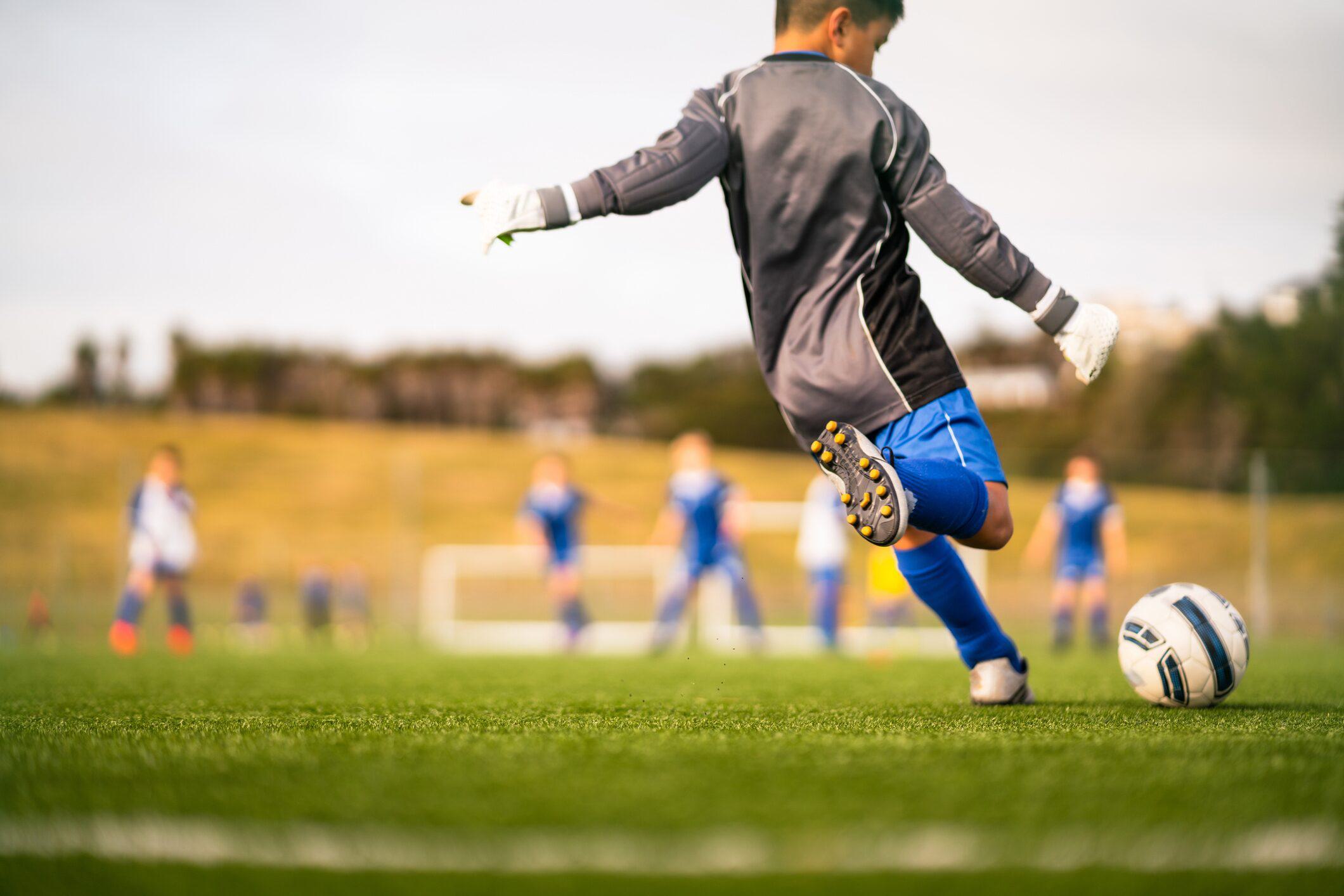
- “How was practice today? What kind of drills did you do? How long did you throw the ball?”
- “What was the most enjoyable part of today’s practice/game?”
- “What did you learn today?”
- “That game was exciting. It looked like you started limping toward the end. What part of your foot is bothering you?” Be specific about what you saw.
Following up with gentle suggestions may help get more information from your child. For example, “It sounds like you really threw a lot of pitches at practice. Maybe we should just run around the yard, instead of throwing the ball to give your arm a rest.”
WHEN PLAY IS TOO MUCH
How do I know if my child has an overuse injury?
Be sure to listen for complaints of pain in an overused area such as the shoulder, elbow, knee, leg, or hip. Also notice any changes in how your child feels about a sport. “I don’t like pitching any more” may really mean, “My elbow hurts when I pitch.” Conversely, young athletes may complain about pain or an injury when they are simply not enjoying the sport. They may find it difficult to admit to parents or coaches that they don’t want to play any more or at least not play so intensely. In many cases they don’t want to disappoint their parents or coaches and find it more acceptable to complain about a physical ailment. If an athlete complains of pain that does not improve with 3 days of rest, it is time to seek the advice of a sports medicine physician. Also, any loss of range of motion of a joint or difficulty walking should be evaluated by a physician.
Remember to keep the lines of communication open and don’t give up—a lesson every parent and child can hold on to!
Reviewed June 2026 by: Andrew Bi, MD and Elizabeth R. Dennis, MD MS
Sports Tips are brought to you by the American Orthopaedic Society for Sports Medicine. They provide general information only and are not a substitute for your own good judgment or consultation with a physician.
For more tip sheets and to find an expert near you, visit sportsmed.org/STOP
Copyright ©2025. American Orthopaedic Society for Sports Medicine. All rights reserved.