
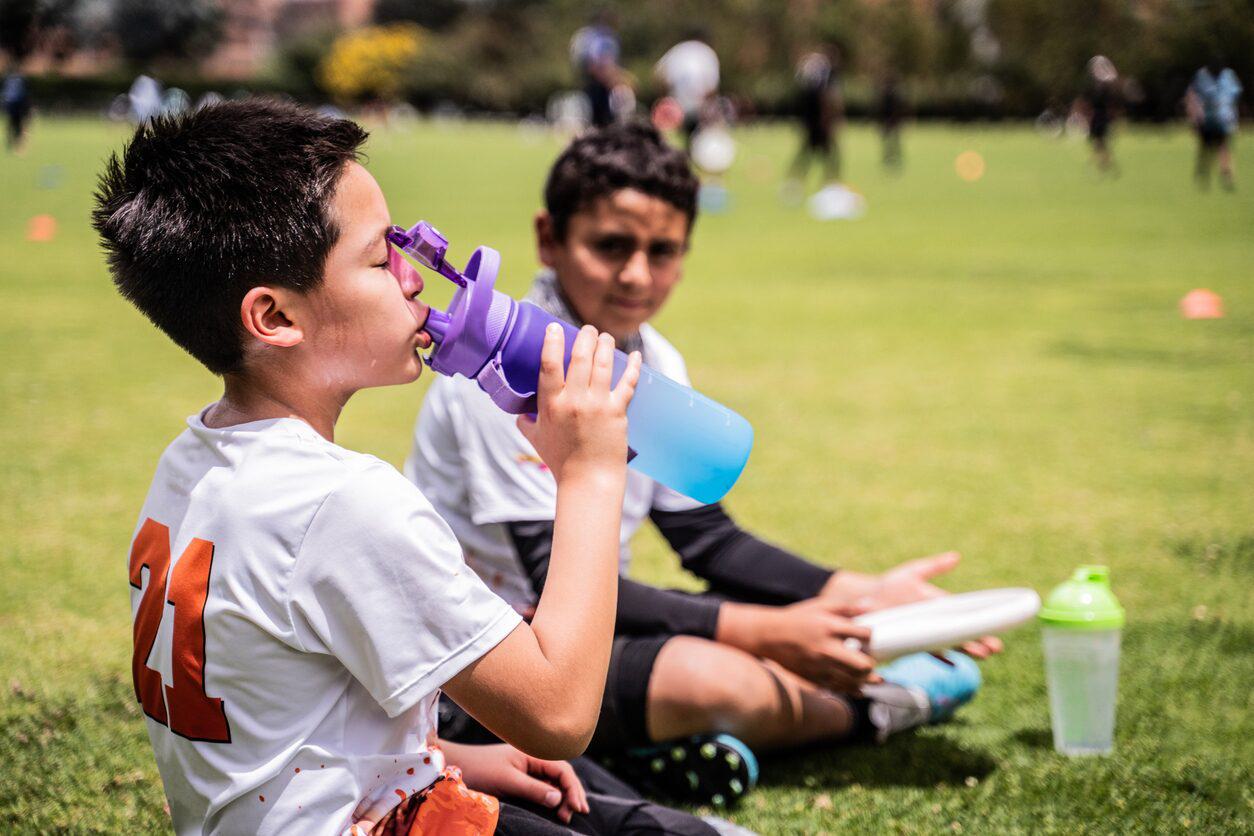
Heat-related illness and death are on the rise. Each year about 200 people in the United States die from heat stroke, making it one of the top three causes of death in athletes—and the leading cause of death among athletes in July and August. Yet heat illness and dehydration are largely preventable.
Why does heat illness or heat stroke occur?
When an athlete exercises, the body’s temperature is elevated and the body sweats to cool itself down. During this process, body fluid as well as critical electrolytes are lost. If the body isn’t replenished with fluids and electrolytes, dehydration may occur and increase the risk of heat illness or heat stroke.
What are the symptoms of dehydration/heat illness?
Some dehydration symptoms include:
- Chills
- Dark colored urine
- Dizziness
- Dry Mouth
- Headaches
- Thirst
- Weakness
If heat illness progresses, more serious symptoms such as increased heart rate, difficulty breathing, increased body temperature, muscle cramps, nausea, and tingling of the limbs— and even death—may occur.
How can heat-related illness be prevented?
The most effective treatment for heat-related illness is prevention, including:
- Proper training for the heat—it can take 2–3 weeks to acclimate to exercising in hot and humid climates.
- Fluid replacement before, during, and after exertion
- Appropriate clothing—light colored, loose fitting and limited to one layer
- Early recognition of heat illness via direct monitoring of athletes by other players, coaches and medical staff
- Monitoring the intensity of physical activity appropriate for fitness and the athlete’s acclimatization status
- Closely monitoring environmental conditions such as heat and humidity and adjusting practice exercise schedules
to earlier or later in the day.
At the beginning of a strenuous exercise program or after traveling to a warmer climate, an athlete should initially limit the intensity and duration of exercise and then gradually increase it during a period of 7–14 days to allow time for the body to adjust to the new climate and environmental conditions. Athletes with respiratory, gastrointestinal or other illness should be evaluated before exercise, as these conditions increase the risk of heat illness.
When should an athlete hydrate?
Hydration should begin before the exercise period. Drinking 16 ounces of water or a sports drink is recommended one hour before exertion. Hydration should continue with 4–8 ounces of fluid every 15–20 minutes as long as exertion continues.
The type of fluid replacement depends on the duration of the event. Plain water is adequate for events lasting less than one hour. However, for events that last more than one hour or multiple bouts of exercise in the same day, the replacement fluid should contain carbohydrates, sodium and potassium, which are standard components of commercial sports drinks.
Weighing oneself before and after activity provides good feedback on the level of hydration. If the athlete is lighter after an activity, then it is likely a fluid deficit has occurred and it’s necessary to replace the weight loss by drinking more during the next practice to approximate sweat losses. An athlete who loses more than two percent to three percent of body weight during exercise may be at a point of compromising performance and physiological function. If the athlete gains weight after an activity, then the quantity of rehydration fluid during activity should be reduced.
How can heat illness/heat stroke be treated?
When you see any signs of heat illness or heat stroke, you may be dealing with a life-threatening emergency. Have someone call for immediate medical assistance while you begin cooling the individual at risk. Treatment tips from the Centers for Disease Control and Prevention include:
- Get the athlete to a shaded area.
- Cool the athlete rapidly using whatever methods you can. The preferred method is immersion in a tub of cool water, but you may also use spray from a garden hose, sponging with cool water, or placing ice/wet towels
over the entire body, specifically over the groin, axilla and neck. - Monitor body temperature
- Provide cool beverages if possible (i.e., if the athlete does not have altered consciousness).
- Get medical assistance as soon as possible.
Heat exhaustion is a milder form of heat-related illness that can develop after several days of exposure to high temperatures and inadequate or unbalanced replacement of fluids.
Reviewed September 2025 by: Samantha Tayne, MD, MBA
Expert Consultants: Douglas Casa, PhD, ATC, FACSM Marjorie J. Albohm, MS, ATC
Sports Tips are brought to you by the American Orthopaedic Society for Sports Medicine. They provide general information only and are not a substitute for your own good judgment or consultation with a physician.
For more tip sheets and to find an expert near you, visit sportsmed.org/STOP
Copyright ©2025. American Orthopaedic Society for Sports Medicine. All rights reserved.
References
Sorensen C, Hess J. Treatment and Prevention of Heat-Related Illness. N Engl J Med. 2022 Oct 13;387(15):1404-1413.
American College of Sports Medicine; Armstrong LE, Casa DJ, Millard-Stafford M, Moran DS, Pyne SW, Roberts WO. American College of Sports Medicine position stand. Exertional heat illness during training and competition. Med Sci Sports Exerc. 2007 Mar;39(3):556-72
Howe AS, Boden BP. Heat-related illness in athletes. Am J Sports Med. 2007 Aug;35(8):1384-95