

Introduction: And Some Background
Every fall, the headlines return: “Is Tackle Football Safe for Kids?” “Will Concussions in Football be the Death of the Sport as We Know It?” “CTE Concerns Continue to Grow in America’s Most Popular Sport.”
Professionals in sports medicine are trained to interpret the data, counsel families, and implement safety protocols. Yet when the conversation moves beyond the clinic and into the home—when the player is a child rather than a patient—the decision becomes deeply personal. Despite extensive knowledge about injury risk, head impacts, and long-term outcomes, some experts still allow and even encourage their own children to play high school football. Many in the field find themselves navigating this same tension: full informed, cautious, yet supportive. How can the risks of the sport be reconciled with the rewards of team participation? What does the evidence truly indicate about modern American football, and what questions remain unanswered?
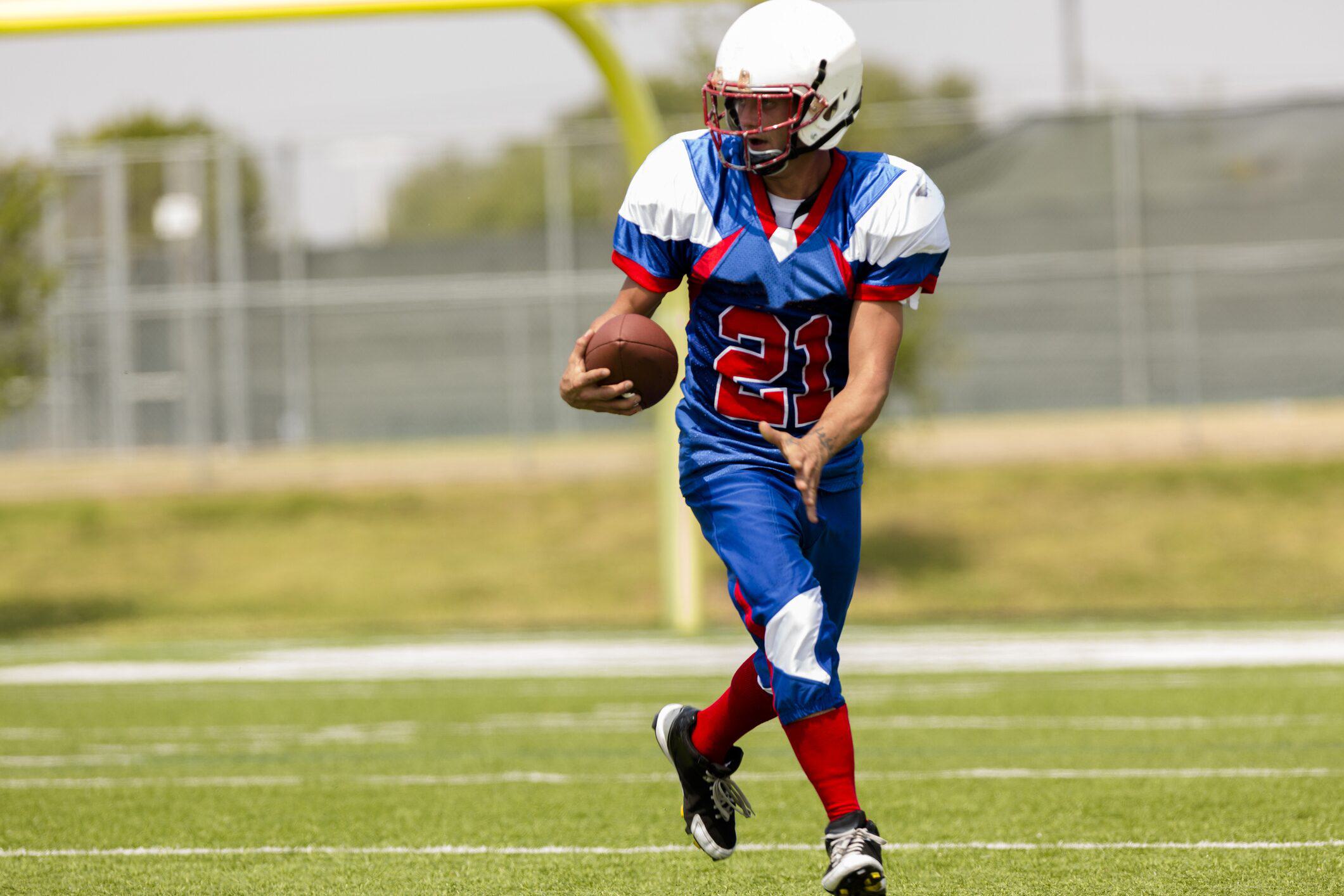
This article examines the reality of high school football today, analyzing the science of concussions, the public’s evolving perception of risk, and what the latest data reveal about injury and prevention. It breaks down national participation trends, highlights proven safety reforms such as contact limits and technique-based coaching, and explore emerging treatments for head injuries, including hyperbaric oxygen therapy and neurorehabilitation. The discussion also considers the psychological benefits football provides young men, from emotional resilience to leadership and community engagement. Finally, the article offers perspective on why some sports medicine professionals, despite full awareness of the risks, continue to support their children’s participation, and what these choices suggest about the future of the game in America.
Perception vs Reality: What We Think We Know About Concussions
Over the past decade, the word “concussion” has taken center stage in public conversations about football. Fueled by media coverage, tragic stories of retired NFL players, and popular documentaries, many parents now approach the sport with caution and fear. And the numbers reflect that caution: a 2025 study found that 83% of parents believe concussion incidence in youth football exceeds 10 per 100 players, even though the actual rate is closer to 1–4 per 1,000 athletic exposures.13 This disconnect between perceived and actual risk contributes to heightened scrutiny and declining participation, especially at the youth level.
Parents may feel more informed than ever, but their knowledge remains inconsistent. One survey of 180 parents of youth football players revealed that while 86% felt confident in recognizing a concussion, nearly half incorrectly believed that too much sleep could worsen symptoms, and 26% thought certain foods had an impact.9 These misconceptions suggest that while awareness has increased, accurate understanding has not kept pace.
This has been tragically highlighted recently in society by the unfortunate events at the NFL headquarters in New York. A troubled young man who previously participated in high school football, blamed the NFL and his past head injuries for his future decisions to murder innocent people. While the authors of this article aren’t privy to the intricacies that cause him to make a disastrous decision, it’s clear that the media coverage and exaggerations of societal misconception are at least partly to blame.
Reiger et al also recently showed a troubling reality: among high school football players, over 50% of those who experienced concussion symptoms continued playing, despite 92% acknowledging the dangers of returning too early. Whether from fear of losing playing time, team loyalty, or pressure to perform, many young athletes are still unwilling to speak up when they know they’ve suffered a significant injury.
This gap between perception and data doesn’t negate the risks, but it does complicate the narrative. Concussions are very real, and their potentially devastating consequences must be taken seriously. But when misunderstood risk figures dominate the conversation, they can drown out the evidence-based progress that the sport has made in managing and reducing head injuries. The challenge isn’t just changing the game – it’s recalibrating how to approach discussions around it.
The Numbers Game: Participation Trends and Shifting Culture
The perception of football as a high-risk sport has gone beyond changing the conversation and is changing the numbers. After peaking at 1.11 million high school football players in 2008, participation steadily declined over the next decade, falling to just over 1.01 million in 2019. That trend continued through the early COVID-19 years, driven by public concern around head injuries, growing awareness of chronic traumatic encephalopathy (CTE), and heightened parental hesitation.13
Recent data, however, shows a reversal in this trend. In the 2023–2024 school year, football participation rebounded to over 1.03 million, making it once again the most played sport for high school boys in the United States. Although slight, this rebound aligns with a record-setting year in high school athletics overall of 210,469 new participants across all sports and reflects a renewed interest in team sports post-pandemic. Perhaps more telling, however, is the rise in girls’ flag football, which saw a 173% increase over the same period, signaling not only resilience in the sport but also a cultural shift in who plays and how.11,12
While some regions, like parts of Wisconsin, have reported declines of over 25% since 2009, the national picture is more complex. In many communities, football remains a foundational part of the school identity. Parents are still signing their kids up, coaches are still fielding teams, and the Friday Night Lights still draw massive crowds.
The lesson is clear: the sport is changing, not disappearing. Football’s popularity at the professional level, highlighted by the 775,000 fans who attended the 2024 NFL Draft in Detroit, stands in stark contrast to the narrative of decline. The game continues to evolve, adapting to safety concerns while holding onto the values that made it a staple of American culture. For many families, that’s enough to stay in.
Getting Safer by Being Smarter: Prevention in the Modern Game
Football will always be a contact sport, but what that contact entails has changed dramatically in the past decade. Thanks to a combination of rule modifications, education programs, and evolving technology, today’s high school football is safer, smarter, and more intentional than the version many grew up playing.
One of the most impactful initiatives has been the Heads Up Football (HUF) program, developed by USA Football. By emphasizing proper tackling technique, safe player positioning, and coach certification, HUF has been associated with significant reductions in injury. In fact, one study found that schools implementing HUF saw a 33% decrease in sports-related concussions.10 These are not just theoretical benefits; initiatives like HUF translate to measurable improvements in athlete safety and day-to-day practice environments.
Meanwhile, governing bodies like the Pop Warner nonprofit youth football program and state athletic associations have introduced rules limiting full-contact practices to 1–2 times per week, a change shown to reduce total head impacts by as much as 40% to 67%.8 These guidelines are shifting the training model from repetition-based toughness to technique-focused efficiency, prioritizing safety without sacrificing competitiveness.
Equipment has evolved as well. While no helmet can fully prevent a concussion, newer models are designed to disperse force and reduce head acceleration more effectively than their predecessors. Helmet sensors and head-impact monitoring technologies are also now part of the safety dialogue and making their way into coaching strategies and medical staff assessment. Though not yet widely adopted in youth leagues, many coaches and trainers see promise in using this data to adjust drills and track cumulative exposure.13 Some leagues utilize the sensors as a trigger to stop the game and assess the player clinically if the force measure on the helmet sensor surpasses a certain threshold. Further work is needed to understand the clinical implications of this technology, but the potential for early and effective diagnosis is undeniable.
This layered approach of technique, tech, and training limits signals an important shift. We’re no longer simply asking players to be tougher; we’re asking coaches to be smarter, and the game to be safer. It might not be your ‘father’s football’ when it’s all said and done, but with a calculated and smart evolution, American football still has a bright future.
Not Just the Brain: Other Injuries and Holistic Risk Management
While concussions dominate the public discourse around football, they’re far from the only concern. High school athletes face a wide range of musculoskeletal injuries, including sprains, strains, fractures, dislocations, and overuse injuries, many of which can sideline players for weeks or months. And unlike concussions, these injuries often receive less attention, despite being more frequent.
Football’s physicality demands a comprehensive approach to injury prevention that goes beyond helmets and head impacts. Increasingly, sports medicine professionals are turning to neuromuscular training to reduce the overall injury burden. Preseason programs that include neck strengthening, balance training, proprioceptive work, and lower-extremity stability exercises have shown promise in enhancing biomechanical control and minimizing both contact and non-contact injury risk.8
Though these protocols aren’t always football-specific, they draw on well-established strategies from other high-risk sports like soccer and wrestling. Incorporating multimodal training into both off-season and in-season routines can help athletes not only avoid injury but also build the kind of structural resilience that protects them long-term.
Additionally, there has been a growing trend toward early sports specialization in the country as athletes participate in a single sport year-round, rather than multiple sports across the seasons. Studies have shown that this leads to increased incidence of gradual onset overuse injuries. Avoiding this early specialization has the potential to limit these risks in our young athletes
Moreover, education around recovery, rest, hydration, and load management is becoming part of the high school training ecosystem. Athletic trainers, physical therapists, and strength coaches all play critical roles in creating environments where players are conditioned for performance as well as sustainability.
In the push to make football safer, zooming out to address full-body risk is essential. A helmet can protect the head, but a well-trained athlete protects the rest.
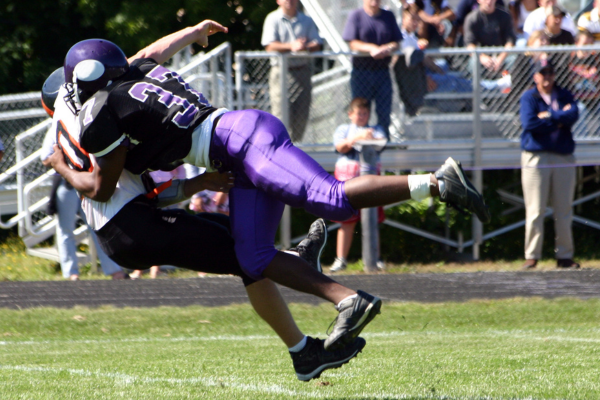
But if It Happens: Advances in Concussion Treatment
Despite the best prevention strategies, injuries happen. The good news? Our understanding of concussions has come a long way. The era of dark rooms and indefinite rest is giving way to a more proactive, evidence-based approach to brain recovery.
Among the most promising developments is hyperbaric oxygen therapy (HBOT), which has shown potential in treating persistent post-concussion symptoms. By increasing oxygen delivery to damaged brain tissue, HBOT may stimulate neuroplasticity, reduce neuroinflammation, and improve cognitive function. Clinical studies have reported improvements in memory, attention, and quality of life in patients with persistent post-concussion syndrome.3 While not yet standard care for all cases, HBOT represents an exciting step toward regenerative, rather than purely supportive, treatment.
Other emerging interventions include transcranial magnetic stimulation (TMS) and neurofeedback, which aim to recalibrate disrupted brain activity. Preliminary evidence suggests these modalities may improve mood, reduce headaches, and support cognitive recovery in athletes with lingering symptoms.1,7
In parallel, targeted cognitive rehabilitation is now considered first-line therapy for many post-concussive symptoms. Programs that focus on working memory, visual attention, and executive function, whether computer-based or therapist-guided, offer athletes a structured path to recovery. Paired with graded return-to-play protocols and multidisciplinary support, this approach helps ensure athletes fully heal and regain function.
Together, these approaches have greatly decreased the risk for athletes to suffer from the dreaded “Second Hit Syndrome.” As the brain heals from an initial collision event, it is particularly susceptible to exponential damage from a second successive impact. As such, new studies have helped guide decisions about return to play that make this phenomenon largely a thing of the past.
The shift from passive rest to active healing marks a major evolution in concussion care. As a result, young athletes who experience a head injury today are entering a far more sophisticated and hopeful treatment landscape than ever before.
Character Under Pressure: The Case for Letting Them Play
For all the focus on risk, what often gets lost in the discussion about youth football is what players gain— not just physically, but emotionally, socially, intellectually, and psychologically. For many young men, football is more than a sport. It’s a structure, a purpose, and a support system during some of the most formative years of their lives.
Parents and coaches frequently cite football’s role in building character, discipline, and resilience, and research backs them up. A 2022 meta-analysis found that adolescents who participate in organized team sports report significantly lower symptoms of depression and anxiety compared to their nonparticipating peers.6 Further, Eime et al found a strong association between team sports participation and increased self-concept and self-esteem, thanks to positive feedback, skill mastery, and social appreciation.2 These benefits extend beyond the season and beyond the field, shaping confidence, emotional regulation, and stress management skills that carry a young person into adulthood.
Football also fosters leadership, especially for players in high-stakes, high-responsibility positions. The game teaches young athletes how to function under pressure, how to take accountability, and how to work toward collective goals with others. These lessons are often difficult to replicate in other environments.
Importantly, the mental health data also refutes the idea that high school football is psychologically harmful in the long-term. One large study found that men who played high school football showed no increased rates of depression or suicidality compared to nonplayers in early adulthood.4 Similarly, more recent research found no association between head impact exposure and worse acute mental health outcomes across a season in adolescent players.5 Finally, football helps provide young athletes with an outlet to make friends. For many athletes, the time and effort spent working towards a common goal encourages the athletes to forge life-long friendships rooted in grit and perseverance.
In short, the game comes with risk, but also with reward. And for many boys, football is a crucial developmental experience, beyond a path to fitness or a scholarship. It's where they find mentors, build lifelong friendships, and learn how to push through discomfort without quitting.
The question is not “Is it safe?” but “What do they lose if they never get to play?”
Final Thoughts: Why Some Still Say “Yes”
Even for sports medicine professionals, the risks of football are taken seriously—it is, after all, a physically demanding and sometimes violent sport. The research is clear, injuries occur, and concerns are valid. Yet the game has evolved significantly. Athletes today benefit from advanced training and protection, improved injury treatment, and greater awareness of mental health and long-term outcomes.
Modern football is not without risk, but it is safer, smarter, and more intentional than ever before. While no sport is risk-free, the benefits—structure, mentorship, teamwork, resilience, and emotional growth—are profound, leaving lasting lessons for participants. Many athletes look back on their high school football careers with pride and a strong sense of accomplishment (including this senior author’s two sons!)
Football provides young men, and increasingly young women, with opportunities to show up, lead, and persevere through challenges. It fosters belonging and presents meaningful obstacles to overcome. For these reasons, some sports medicine professionals continue to support participation in the sport.
References
- Bourn S, Whittington RA, Plourde V, Desjardins M. Repetitive transcranial magnetic stimulation as a treatment for post-concussion syndrome: A review. TCN. 2020;34(4):753-772.
- Eime RM, Young, JA, Harvey, JT, Charity MJ, Payne WR. A systematic review of the psychological and social benefits of participation in sport for children and adolescents: informing development of a conceptual model of health through sport. Int J Behav Nutr Phys Act. 2013:10:98.
- Hadanny A, Efrati S. Persistent post-concussion syndrome: pathophysiology, diagnosis, current and evolving treatment strategies. Expert Rev Neurother. 2025;25(8):959-971.
- Iverson GL, Merz ZC, Terry DP (2021). Playing High School Football Is Not Associated With an Increased Risk for Suicidality in Early Adulthood. Clin J Sport Med. 2021;31(6):469-474.
- Kercher KA, Steinfeldt JA, Rettke DJ, Zuidema TR, Walker MJ, Martinez Kercher VM, Silveyra P, Seo D-C, Macy JT, Hulvershorn LA, Kawata K. Association Between Head Impact Exposure, Psychological Needs, and Indicators of Mental Health Among U.S. High School Tackle Football Players. J Adolesc Health. 2023;72(4):502-509.
- Khan A, Ahmed KR, Hidajat T, Kolbe-Alexander T, Edwards EJ. Examining the Association between Sports Participation and Mental Health of Adolescents. Int J Environ Res Public Health. 2022; 19(24):17078.
- Koski L, Chaddah R, McFadden M, Meguro K, Shankman, S. (2019). A pilot randomized, double-blind study of the tolerability and efficacy of repetitive transcranial magnetic stimulation on persistent post-concussion syndrome. Brain Inj. 2019;33(4):479-488.
- Pankow MP, Syrydiuk RA, Kolstad AT, Hayden AK, Dennison CR, Mrazik M, Hagel BE, Emery CA. Head Games: A Systematic Review and Meta‐analysis Examining Concussion and Head Impact Incidence Rates, Modifiable Risk Factors, and Prevention Strategies in Youth Tackle Football. Sports Med. 2022;52(6):1259-1272.
- Rieger B, Lewandowski L, Potts H, Potter K, Chin LS. Parent Knowledge and Perceptions of Concussion Related to Youth Football. Cureus. 2018;10(3):e2268.
- Shanley E, Thigpen C, Kissenberth M, Gilliland RG, Thorpe J, Nance D, Register-Mihalik JK, Tokish J. Heads Up Football Training Decreases Concussion Rates in High School Football Players. Clinl J Sport Med. 2021;31(2):120-126.
- St. George, D. (2024, September 6). High school sports hit record participation; girls’ flag football surges. K-12 Dive. Published September 6, 2024. Accessed August 4, 2025. https://www.k12dive.com/news/high-school-sports-record-participation-girls-flag-football/726643/
- Telegraph Staff. High school sports participation numbers rebounding to pre-pandemic levels. The Telegraph. Published February 22, 2024. Accessed August 4, 2025. https://www.thetelegraph.com/sports/article/high-school-sports-changing-participation-numbers-20267000.php
- Urban JE, Moore JB, Faber LL, Marks ME, Holcomb TD, Miles CM, Flashman LA, Otallah SI, Stitzel JD, Foley KL. Understanding beliefs and perceptions of parents, coaches, and organizational leaders toward non-concussive head impact exposure in youth American football. Int J Sports Sci Coach. 2025;20(1):22-34.

