
SLAP is an acronym for Superior Labrum Anterior to Posterior. The labrum is a rim of tissue that adds depth to the bony socket of the shoulder. The superior or “top” portion of the labrum is important and frequently injured because the biceps attaches to this region.
How do SLAP tears happen?
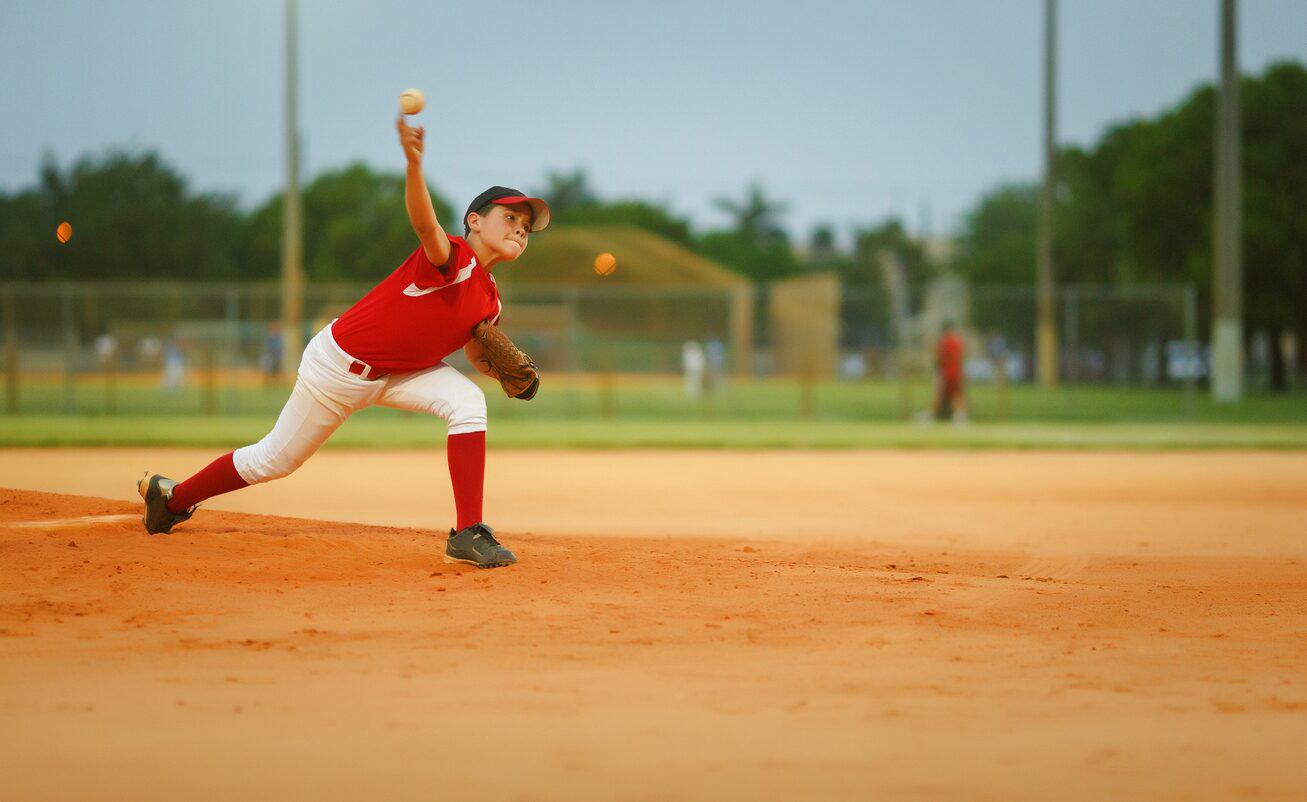
SLAP tears occur as a result of trauma or chronic overhead activity. A fall on an outstretched hand with the arm overhead and a fall directly onto the shoulder are thought to be the most common mechanism of injury. Chronic tears are often seen in overhead athletes, such as baseball pitchers and tennis players. Experts believe that SLAP tears can be the end result of imbalances in the shoulder.
How are SLAP tears diagnosed?
Because of overlap among different shoulder problems, SLAP tears are rarely diagnosed on physical examination alone. MRIs with or without contrast are the diagnosis tool of choice. However, differentiating a SLAP tear from normal variations of the labrum’s attachment to the socket can be difficult.
How are SLAP tears treated?
A trial of non-operative treatment is the preferred initial step for a SLAP tear. While the SLAP tear likely will not heal, a recent study confirmed that many have improvement of symptoms and function. If non-operative treatments, such as physical therapy, are not successful, then surgery may be considered.
Surgery is usually performed arthroscopically and involves reattaching the torn labrum back to the top of the socket. Usually bone anchors loaded with sutures are inserted into the top of the socket. The sutures are passed through the torn area of the labrum. The sutures are tied with knots, which reapproximates the torn labrum back to the bone.
In some cases when the tear extends into the biceps tendon which attaches on the superior labrum, it is necessary to detach the biceps tendon and re-attach it in a lower position on the upper part of the bone.
How can SLAP tears be prevented?
While acute SLAP tears are difficult to prevent, chronic tears, especially among overhead athletes, can be prevented by maintaining balance within the shoulder. Exercises that strengthen the muscles around the shoulder blade and stretches that focus on preventing a tight posterior shoulder are thought to be important in minimizing the chance of a chronic SLAP tear.
Reviewed November 2025 by Rachel Frank, MD
Contributing expert: Robert A. Gallo, MD
Sports Tips are brought to you by the American Orthopaedic Society for Sports Medicine. They provide general information only and are not a substitute for your own good judgment or consultation with a physician.
For more tip sheets and to find an expert near you, visit sportsmed.org/STOP
Copyright ©2025. American Orthopaedic Society for Sports Medicine. All rights reserved.